
The Importance of Routine Eye Exams: Detecting Vision Problems Early
Posted by: West Georgia Eye Care Center in AMD, Diabetes, Eye Exam, Eye Health, Eye Safety on May 15, 2026
Clear vision plays a vital role in how we experience the world around us. From reading and driving to working on digital devices and enjoying everyday activities, our eyes are constantly working to help us process visual information. Yet many people tend to overlook the importance of regular eye care and only seek medical attention when they begin experiencing noticeable vision problems.
Routine eye exams are one of the most effective ways to protect your vision and maintain long-term eye health. These exams do more than simply determine whether you need glasses or contact lenses. They also allow eye care professionals to evaluate the overall health of your eyes and detect early signs of potential eye conditions.
Because many eye diseases develop gradually and often without noticeable symptoms in the early stages, routine eye exams play a crucial role in identifying problems before they progress. Early detection can make a significant difference in preventing vision loss and ensuring that appropriate treatment is provided at the right time.
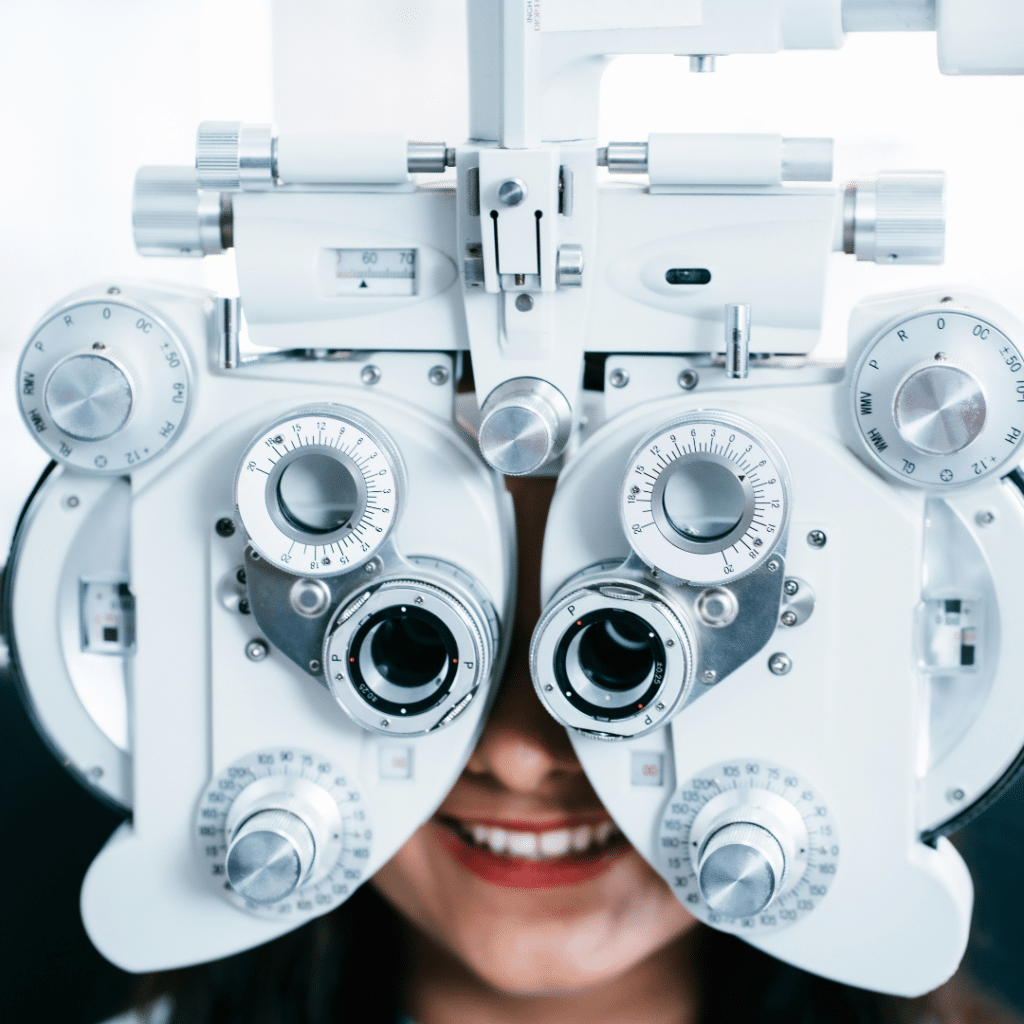
Why Regular Eye Exams Are Important
Many individuals assume that if their vision appears clear, an eye exam may not be necessary. However, eye health involves much more than visual clarity. During a comprehensive eye exam, eye care professionals evaluate several aspects of eye function, including eye pressure, retinal health, eye muscle coordination, and overall vision quality.
Regular eye exams help detect subtle changes that may indicate the development of eye diseases or other health conditions. In some cases, an eye exam may even reveal signs of systemic health problems such as diabetes, high blood pressure, or autoimmune disorders.
By scheduling routine eye exams, patient can stay informed about their eye health and receive personalized recommendations to maintain clear and comfortable vision.
Eye Conditions That Can Be Detected Early
One of the most valuable benefits of routine eye exams is the ability to detect eye conditions in their early stages. Many eye diseases develop slowly and may not cause noticeable symptoms until significant damage has already occurred.
Below are several common conditions that can often be identified during a comprehensive eye examination.
Glaucoma
Glaucoma is a condition that damages the optic nerve, often due to increased pressure within the eye. It is one of the leading causes of vision loss worldwide. Because glaucoma typically develops without noticeable symptoms in the early stages, it is often referred to as the “silent thief of sight.”
Routine eye exams allow doctors to measure eye pressure and examine the optic nerve, helping detect glaucoma before it causes permanent vision damage.
Cataracts
Cataracts occur when the natural lens of the eye becomes cloudy, leading to blurred or dim vision. Cataracts are commonly associated with aging but can develop gradually over time. During an eye exam, doctors can identify early signs of cataracts and monitor their progression to determine when treatment may be necessary.
Age-Related Macular Degeneration (AMD)
Macular degeneration affects the central portion of the retina known as the macula. This area is responsible for sharp, detailed vision used for reading and recognizing faces. Early detection of macular degeneration allows patients to receive appropriate monitoring and lifestyle recommendations that may help slow disease progression.
Diabetic Eye Disease
Individuals with diabetes are at increased risk for several eye conditions, including diabetic retinopathy. This condition occurs when high blood sugar levels damage the blood vessels in the retina. Regular eye exams are essential for detecting early changes and preventing serious vision complications.
What Happens During a Comprehensive Eye Exam?
A comprehensive eye exam is a thorough evaluation designed to assess both vision quality and overall eye health. These exams typically involve several tests and assessments that help eye care professionals gain a complete understanding of how the eyes are functioning.
Some common components of an eye exam include:
Vision Testing: Patients may be asked to read letters from an eye chart to evaluate how clearly they can see at various distances.
Refraction Assessment: This test determines whether corrective lenses, such as glasses or contact lenses, are needed.
Eye Pressure Measurement: Measuring intraocular pressure helps screen for glaucoma and other conditions affecting the optic nerve.
Retinal Examination: Using specialized instruments, the eye doctor examines the retina and optic nerve to detect signs of disease.
Eye Movement and Coordination Testing: These tests evaluate how well the eyes move and work together.
Each of these assessments helps ensure that potential problems are identified early and managed appropriately.
How Often Should You Schedule an Eye Exam?
The recommended frequency of eye exams may vary depending on a person’s age, medical history, and overall risk factors. However, general guidelines suggest the following:
- Children and teenagers: Regular eye exams during developmental years to support learning and visual development.
- Adults (ages 18-60): Eye exams every one to two years
- Adults over 60: Annual eye exams to monitor age-related changes
Individuals with certain health conditions, such as diabetes, high blood pressure, or a family history of eye disease, may require more frequent evaluations.
Your eye care provider can recommend an exam schedule that best fits your individual needs.
Signs That You May Need an Eye Exam
While routine exams are recommended even when no symptoms are present, certain warning signs may indicate that it is time to schedule an appointment with an eye care professional.
Common symptoms that should not be ignored include:
- Blurred or double vision
- Frequent headaches
- Difficulty focusing on objects
- Eye strain or fatigue
- Increased sensitivity to light
- Difficulty seeing at night
- Dry, irritated, or watery eyes
Experiencing any of these symptoms may indicate underlying vision issues that should be evaluated promptly.
The Role of Preventive Eye Care
Preventive healthcare is essential for maintaining long-term wellness, and eye care is no exception. Routine eye exams allow eye care professionals to monitor changes in vision, detect potential concerns early, and provide guidance on maintaining healthy eyesight.
In addition to scheduling regular exams, individuals can support their eye health by adopting healthy lifestyle habits such as:
- Wearing UV-protective sunglasses outdoors
- Maintaining a balanced diet rich in eye-friendly nutrients
- Taking regular breaks from digital screens
- Managing chronic health conditions effectively
- Avoiding smoking, which can increase the risk of eye disease
These habits, combined with regular eye exams, can help protect vision and promote lifelong eye health.
Protecting Your Vision for the Future
Our eyes are incredibly complex and delicate organs that require proper care throughout life. Many vision problems develop gradually and may not cause noticeable symptoms until they reach an advanced stage. Routine eye exams provide an opportunity to identify these issues early, allowing for timely treatment and better long-term outcomes.
By prioritizing regular eye care, individuals can take proactive steps toward protecting their eyesight and preserving their quality of life.
If it has been a while since your last eye exam, now is a great time to schedule a comprehensive evaluation. Routine eye exams are an essential part of maintaining healthy vision and ensuring that your eyes continue to support you in all aspects of daily life.