
July is Dry Eye Awareness Month: Don’t Ignore the Signs of Dry Eye Disease
Posted by: West Georgia Eye Care Center in Dry Eye, Eye Care Tips, Eye Diseases, Eye Exam, Eye Health, Eye Safety on July 1, 2026
Your eyes work hard for you every day. This July, take a moment to care for them.
Have you ever felt like there’s something in your eye that just won’t go away? Do your eyes burn, sting, water excessively, or feel tired after a day spent on your computer or phone? If so, you may be experiencing symptoms of Dry Eye Disease, a common condition that affects millions of people every year.
July is Dry Eye Awareness Month, an opportunity to raise awareness about this often-overlooked eye condition and encourage individuals to seek the care they need for lasting comfort and clear vision.
While many people assume dry eye is simply a minor irritation, the truth is that it can significantly impact your daily life. From reading and driving to working and enjoying time with family, dry eye symptoms can make even the simplest activities uncomfortable.
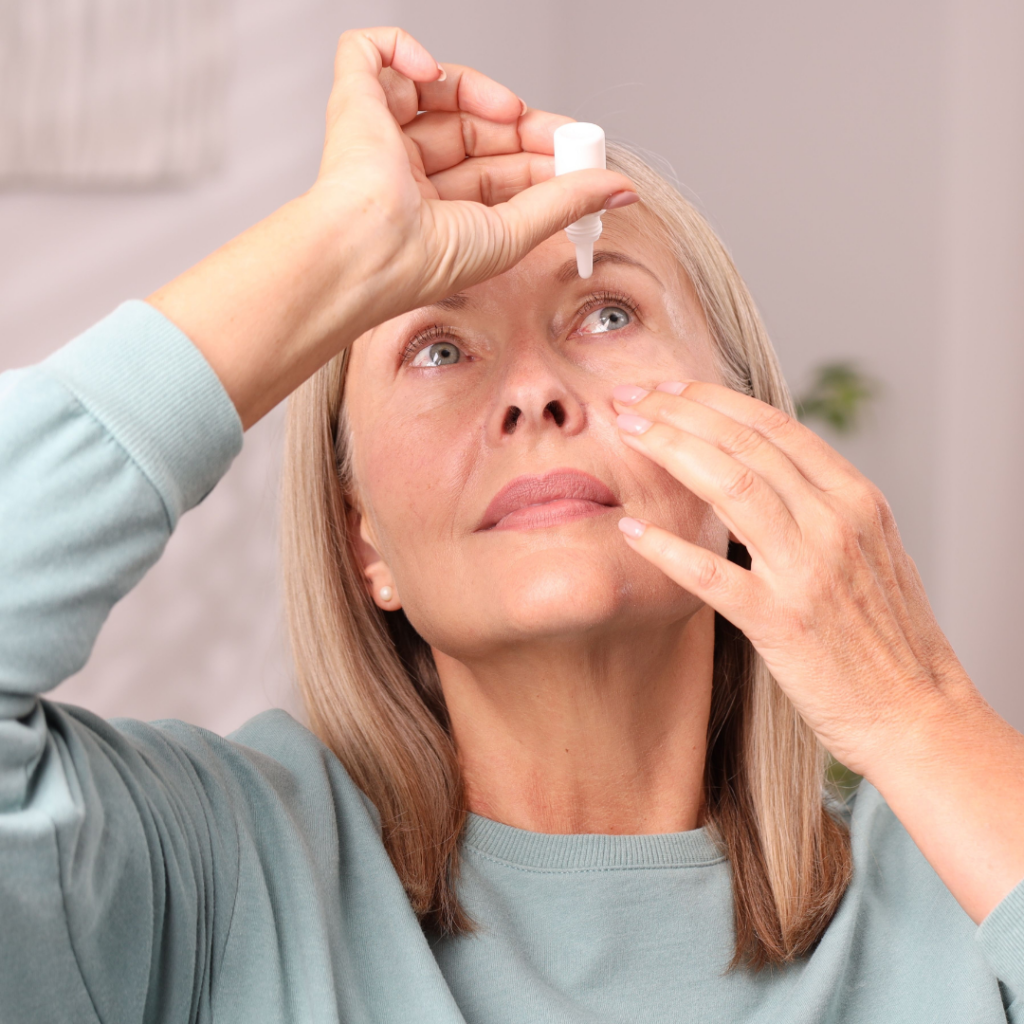
What Exactly Is Dry Eye Disease?
Your eyes rely on a healthy layer of tears to stay lubricated, comfortable, and protected. Tears do much more than express emotions—they play a critical role in maintaining clear vision and supporting the overall health of your eyes.
Dry Eye Disease develops when:
- Your eyes do not produce enough tears, or
- Your tears evaporate too quickly due to poor tear quality.
When this delicate balance is disrupted, the surface of the eye becomes irritated and inflamed, leading to a variety of uncomfortable symptoms.
Think of tears as the windshield wipers and cleaning solution for your eyes. Without enough of them, your vision can become blurry, and your eyes may struggle to stay comfortable throughout the day.
The Symptoms Are Often More Than Just “Dry Eyes”
One of the biggest misconceptions about dry eye disease is that it only causes dryness.
In reality, symptoms can vary widely and may include:
- A burning or stinging sensation
- Redness and irritation
- A gritty, sandy feeling
- Excessive tearing or watery eyes
- Burred or fluctuating vision
- Eye fatigue
- Difficulty wearing contact lenses
- Discomfort when reading or using digital devices
Many patients are surprised to learn that watery eyes can actually be a sign of dry eye disease. When your eyes become too dry, they may produce reflex tears in an attempt to compensate. Unfortunately, these tears often lack the proper components needed to provide long-lasting moisture and relief.
Why Are More People Experiencing Dry Eye Symptoms?
In today’s digital world, dry eye disease is becoming increasingly common. Our lifestyles have changed dramatically over the past decade, and our eyes are feeling the effects.
Increased Screen Time
Whether you’re working on a computer, scrolling through social media, attending virtual meetings, or streaming your favorite shows, digital devices demand prolonged visual focus.
Research shows that people blink less frequently when looking at screens. Since blinking helps spread tears across the surface of the eyes, reduced blinking can lead to increased dryness and irritation.
Environmental Factors
Air conditioning, ceiling fans, indoor heating, wind, and dry climates can all contribute to tear evaporation.
Aging
As we age, tear production naturally declines. This makes dry eye symptoms more common among older adults.
Contact Lens Wear
Contact lenses can sometimes contribute to dryness, especially when worn for extended periods.
Certain Medications
Some medications may affect tear production, including antihistamines, blood pressure medications, and certain antidepressants.
How Dry Eye Can Affect Your Daily Life
Dry eye disease isn’t just about discomfort—it can affect your quality of life in ways you may not realize.
Patients often report difficulty with:
- Reading books or documents
- Working on a computer
- Driving, especially at night
- Watching television
- Spending time outdoors
- Wearing contact lenses comfortably
What starts as occasional irritation can gradually become a daily challenge if left untreated.
Many individuals find themselves avoiding activities they once enjoyed simply because their eyes feel uncomfortable.
Small Habits Can Make a Big Difference
The good news is that simple lifestyle adjustments can help support healthy, comfortable eyes.
- Follow the 20-20-20 Rule
- Every 20 minutes, look at something 20 feet away for at least 20 seconds. This helps reduce eye strain and encourages more natural blinking.
- Stay Hydrated
- Your body needs adequate hydration to produce healthy tears. Keep a water bottle nearby and make hydration a daily priority.
- Wear Sunglasses Outdoors
- Protecting your eyes from wind and sunlight can help reduce tear evaporation.
- Take Screen Breaks
- If you spend long hours on digital devices, schedule regular breaks throughout the day.
- Consider a Humidifier
- Adding moisture to indoor air can help reduce environmental dryness.
When Should You See an Eye Doctor?
Occasional eye irritation happens to everyone. However, persistent symptoms should never be ignored.
If symptoms persist or interfere with your daily activities, it may be time to schedule a comprehensive eye exam with an eye doctor. Early diagnosis can help identify the underlying cause and ensure you receive the most effective treatment.
- Ongoing dryness and irritation
- Frequent redness
- Blurred vision that comes and goes
- Persistent watery eyes
- Eye discomfort that interferes with daily activities
A comprehensive eye exam can help determine whether dry eye disease is the cause of your symptoms and identify the most effective treatment options.
Modern Treatments Offer More Relief Than Ever Before
Many people assume they simply have to live with dry eye symptoms, but that’s no longer the case.
Today’s treatment options may include:
- Artificial tears
- Prescription eye drops
- Warm compress therapy
- Nutritional recommendations
- Lifestyle modifications
- Advanced in-office treatments
Because every patient’s situation is unique, the best treatment plan is one that is tailored to your specific needs.
This July, Make Your Eye Health a Priority
Dry Eye Awareness Month serves as an important reminder that eye comfort matters.
Your eyes are involved in nearly every aspect of your daily life—from the moment you wake up to the moment you go to sleep. They deserve the same attention and care that you give to the rest of your health.
If you’ve been experiencing symptoms such as burning, redness, watering, or blurry vision, don’t dismiss them as a normal part of aging or screen use. Dry eye disease is common, but it is also manageable with proper diagnosis and treatment.
Find Relief from Dry Eye Symptoms
If burning, irritation, watery eyes, or blurry vision have become part of your daily routine, you don’t have to live with the discomfort.
Schedule a comprehensive eye exam with an experienced eye doctor to determine whether Dry Eye Disease may be affecting your vision and overall eye health. With today’s treatment options, lasting relief is possible.
This July, take the first step toward a healthier, more comfortable vision.